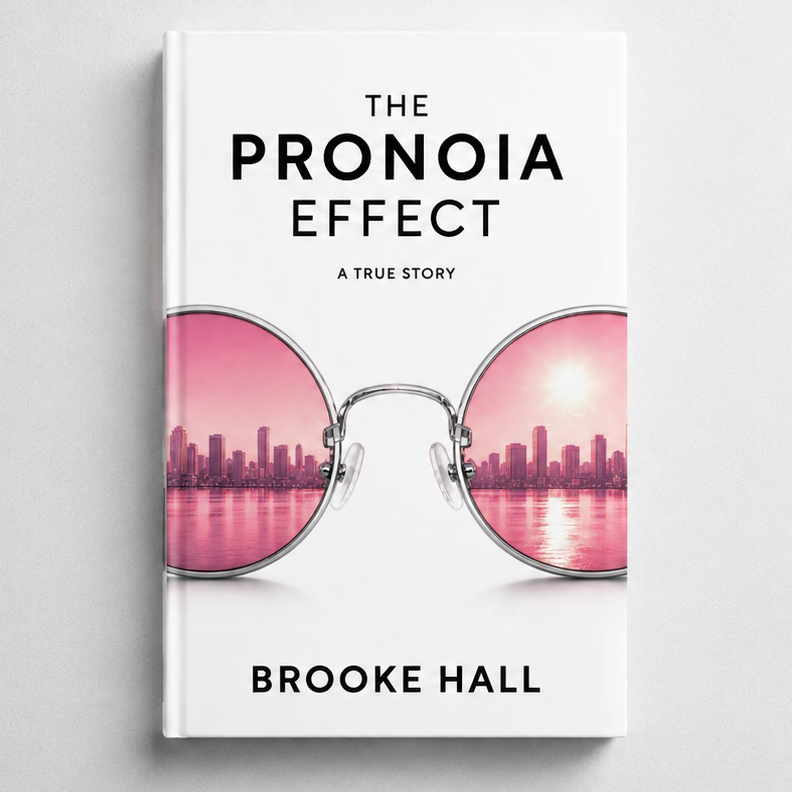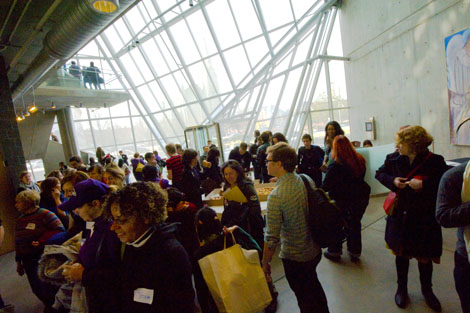
Who doesn’t love new gadgets? Our ever-increasing flow of technological wonders means we can now carry a big chunk of human knowledge, a broadcast and production studio and an amphitheater of hundreds of friends in our pockets. In the past two weeks I’ve been to two conferences that showcase new ways to manifest even our most subtle thoughts in the widest array of imaginative forms, anywhere, any time. So, we’ve got mad tools. But technological innovation has become the only kind of innovation we think about and is widely viewed as the only path to wealth (and health, and wellbeing, and political revolution, and…)
Generating new revenue is important, but money accumulates for two reasons: increased income and decreased expenditures. As Ben Franklin said, a penny saved is a penny earned. We’ve forgotten this when it comes to say, expanding the public coffers. What if we could save 10% of the money we spend controlling and mopping up after the drug trade for one year? On a national level, that would save enough cash to pay for nearly all public school construction in the nation for that year. The proof is in the download. But more to the point, increasing wealth is worthless if it doesn’t increase wellbeing. In that light, a penny saved is worth far more than a penny earned. If you could, which would you rather have: a faster boat or a cleaner bay; a smarter home, or a friendlier neighborhood; intelligent clothes or a working relationship with the person who made them?

Here’s the rub. Social innovation is much stickier than technological innovation. Even one mind makes the most sophisticated computer look like a toy—get a few, or a few million minds together and yes, you have a challenge. That said, we know a lot about what makes people do what they do already, and something about how to make change happen. The cost/benefit ratio for investing in better understanding of how to produce even social change is more favorable everyday. There is no question that prevention, versus treatment, remains the Holy Grail of public Health. What would be the long-term benefits of say 5% of Baltimore’s teenagers staying in school two years longer than the average now?
I believe we need to aspire to social innovation and personal development as much as we want TVs that know our viewing habits. I propose we see wisdom—the ability to make good choices as the hottest item we carry around. The good news is we can have both smart phones and smart people.