By Heather Sarkissian

By now most people are aware of the emerging Creative Class and many of you reading this probably consider yourself a part of it. The concept of the Creative Class can be summed up as a group of individuals that value autonomy, individuality, diversity, and meritocracy. We are ambitious, motivated by respect from peers, and constantly in search of new challenges. The Creative Class, according to economist Richard Florida, is a significant driver of economic growth and development for US cities.
For various reasons, Baltimore has long struggled to retain talent in this sector of the economy. Among Creatives, it is well established that if you are not engaged in your surroundings, the best thing to do is leave. In the past four years, most of my closest and talented friends have either left Baltimore or set plans to leave in the future. They leave because of a lack of interesting or engaging jobs and the sense that Baltimore is a second tier city when they do not consider themselves to be second tier professionals.
Now, to some extent, this is just part and parcel of being a Creative; we are insatiable, hungry for new experiences. However, I think that Baltimore’s Creative Class, policy makers, and business owners can do things to better retain talented professionals.
How?

Well, let’s start by looking at what has been providing Baltimore’s Creative Class with the stimulation they require. In no order of importance, here is a list of organizations and events for the Creative Class: local Meetups (BMore On Rails, IxDA, etc.), TEDx, Ignite Baltimore, High Zero, Fluid Movement, D Center Conversations, the Kinetic Sculpture Race, Single Carrot Theatre, Creative Alliance, the Gathering, the Lantern Parade, multiple hackerspaces (3 of them!), the CCBC FabLab, and barcamps, like CreateBaltimore.
What is it about these events and organizations that feed the Creative Class’ appetitive for novel experiences?

They provide the new ideas, relationships and a sense of community. Perhaps just as important, most of the events have been started and maintained by some creative group or individual here in the city.
What can we learn?
1. There are solutions within the community, so we should support awesome ideas and people who want to create something cool.
This can be fiscal sponsorship (a serious challenge in this city), financial sponsorship, press support and organizations that are more willing to partner with the community to realize their own initiatives, rather than try to bring the idea in-house.
2. As a Creative, we can each take the initiative to create compelling events and programs that feed the Creative Class.
As an example, I have spent the last 8 months planning Betascape 2011 (September 23rd-25th, betascape.org) with three fellow planners. We wanted to create an event that brings artists and technologists together for substantive hands-on learning and creating. Our goal is that people walk away from Betascape inspired to innovate at the intersection of art and technology – armed with new skills and relationships to support them.

We created Betascape because we are hungry for opportunities to learn about emerging art and technology and we felt that there are few opportunities for artists and technologists to get to know one another and collaborate.
It is important to recognize that the Creative Class stands to deliver significant economic growth to Baltimore. The challenge is that we, the Creative Class, are hungry for new ideas, people, and opportunities. If individuals, organizations, and the government do not dedicate resources to satisfying these needs, the exodus will continue. Our hope with Betascape is that, in some small way, we are contributing to meeting these needs and retaining Baltimore’s vital talent.
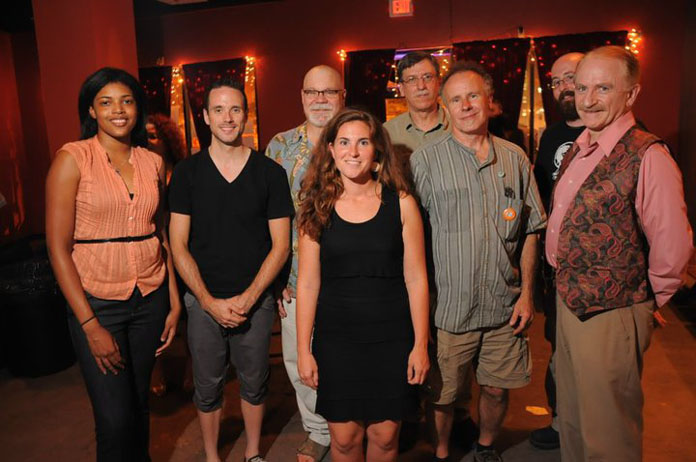
Heather Sarkissian is a business strategist for Community Analytics and active social entrepreneur, living in Fells Point, Baltimore.